Neurotech & bioengineering R&D
Implantable stimulation, vagal and gut–brain neuromodulation, preclinical device validation, and brain–computer interfaces.
NeuroscienceBioengineeringNeurolawPsychologyComputer engineering
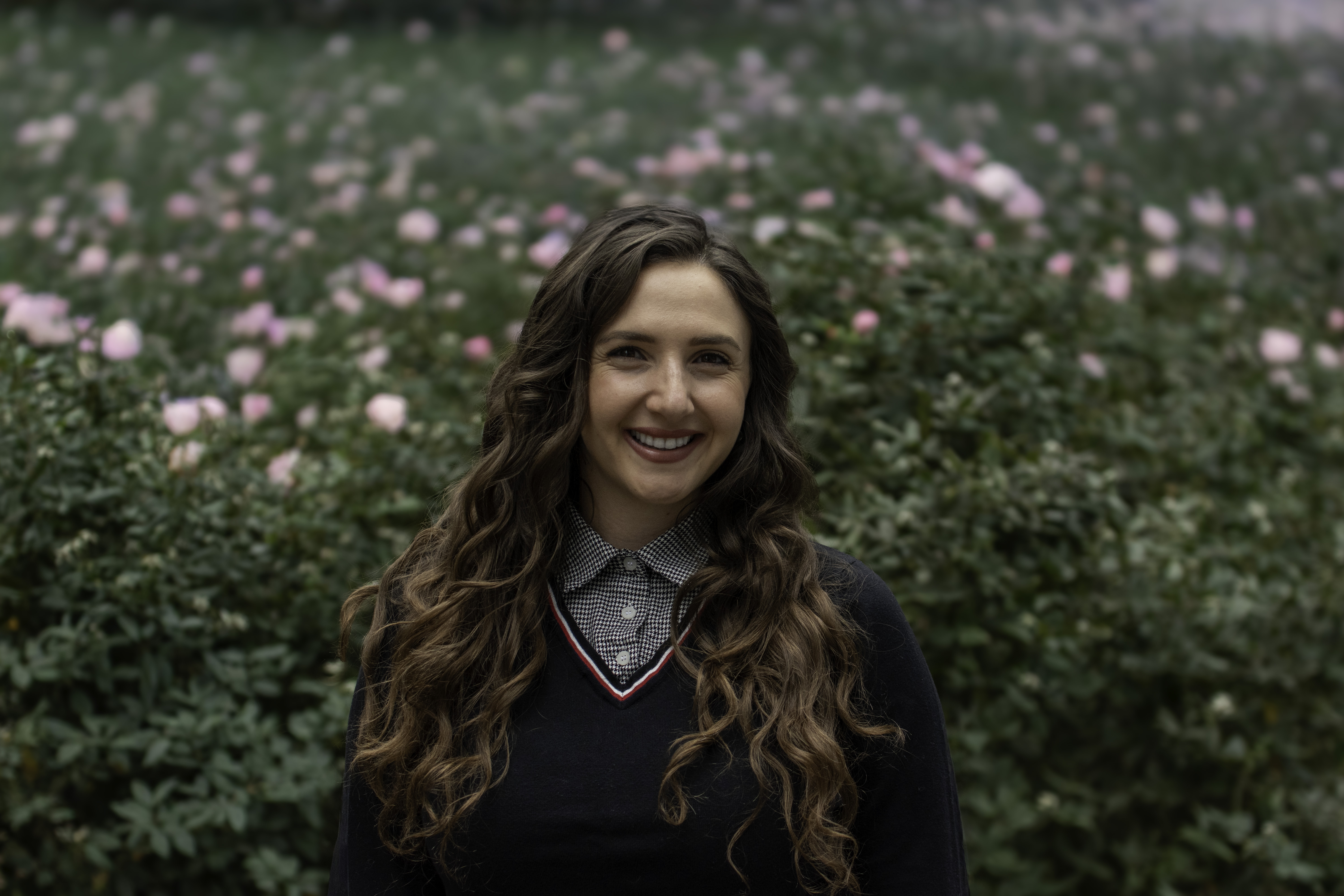
I’m Maryana Daood, PhD — a translational neuroscientist exploring how brain, body, and behavior shape one another.
From the circuits behind our decisions to technologies that connect with the body, I bring different worlds together to ask better questions.
“Every person can, if they will, become the sculptor of their own brain.”
Santiago Ramón y Cajal
LAW · PSYCHOLOGY
NEUROSCIENCE · BIOENGINEERING
COMPUTER ENGINEERING
I have never had just one academic home.
I started in law, studying how systems shape people’s lives, then moved into psychology to understand emotion and behavior from the inside. I pursued a direct PhD track in brain science and psychopathology, earning an MA and PhD while investigating how prefrontal and striatal circuits regulate impulse control and how drugs that act on dopamine reshape those networks. In parallel, I studied computer engineering, driven by a question that connected these fields; how can technology help us understand and cure psychopathology?
I carried that interest in technological solutions into postdoctoral research in bioengineering at NYU Tandon, extending my curiosity from the brain into the body. I developed and validated implantable and ingestible devices for the gut, worked on ARPA-H-funded programs, and investigated how stimulating the stomach changes vagal signaling, anxiety-like behavior, and brain network activity.
Law has stayed part of how I think. I completed my legal internship and hold a bar license. As neurotechnology moves into the body, questions of consent, ownership of neural and physiological data, and device regulation belong alongside the engineering. I bring a lawyer’s eye to those questions; neurolaw remains one of the places I like to wander.
That path gives me an unusual combination: I can design a study, perform the surgery, write the analysis code, interpret the imaging, draft the IRB protocol, work with people, and understand the legal and ethical framework around a new neurotechnology. What drives me is research that reaches people.
I care about doing rigorous science with kindness. I have taught and mentored students across cultures and languages, including through years of war and chronic stress.
I don’t believe in choosing between humanities and science, brain and body, or ethics and innovation. I believe the future belongs to those willing to live in the spaces in between: to build bridges between systems, question gently, engineer carefully, and remember that every dataset begins with a human being.
Law & psychology
Neuroscience & computer engineering
Bioengineering
Six areas where I bring hands-on depth, connecting scientific questions with the practical work of answering them.
Implantable stimulation, vagal and gut–brain neuromodulation, preclinical device validation, and brain–computer interfaces.
Rodent surgery, chronic implants, behavioral assays, and study design from concept to manuscript.
fMRI, DTI, graph-theoretic connectivity, and statistical analysis in Python, MATLAB, and R.
Capsule-based sampling, user-centered retrieval design, and prototype testing toward first-in-human studies.
Building human studies from the ground up: protocol writing, IRB approvals, and ethics-compliant design.
Scientific communication, teaching, legal training, a bar license, and perspectives on regulation and neuroethics.
Selected work across neuromodulation, ingestible devices, human neuroimaging, and assistive communication.
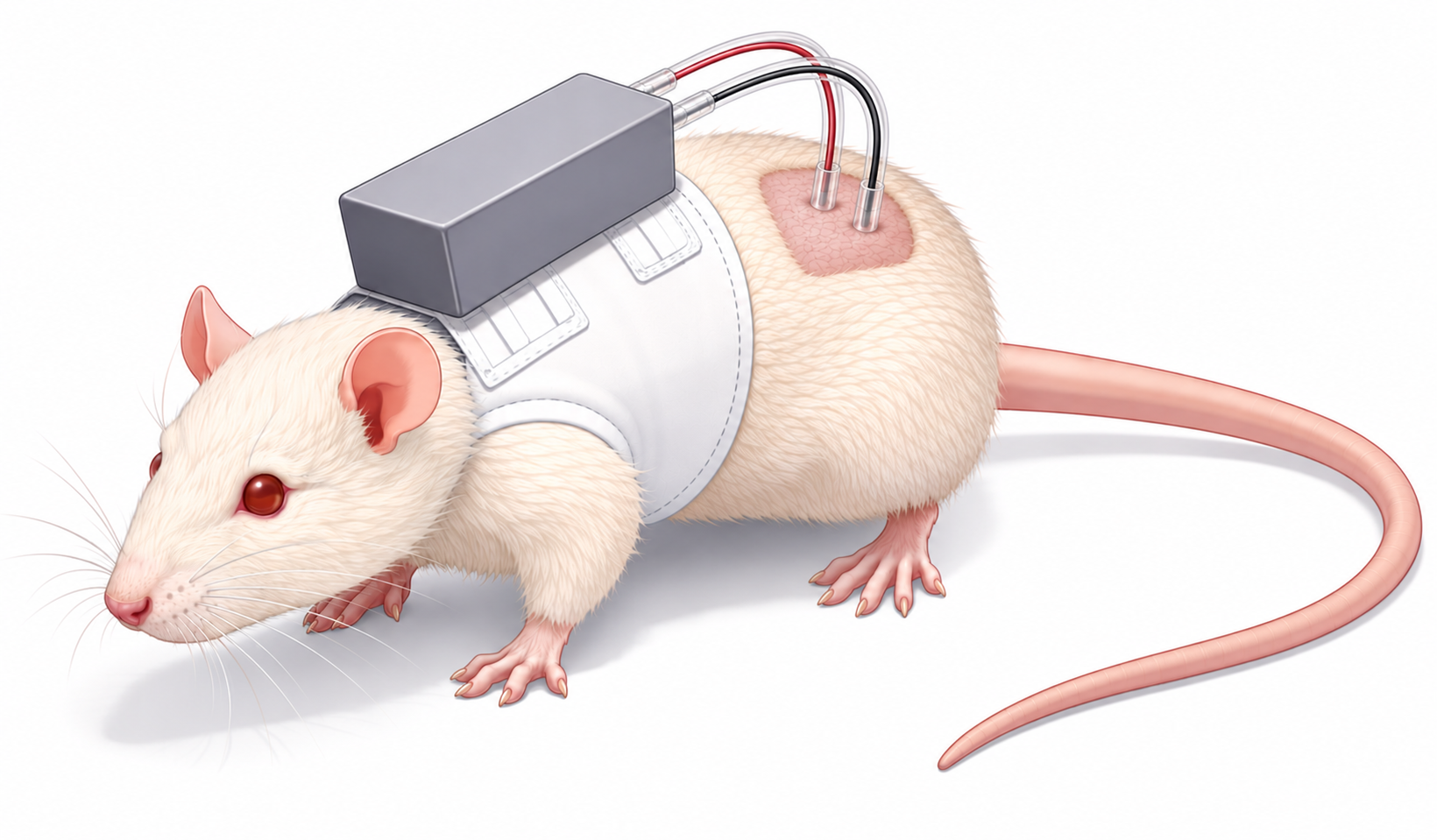
I helped develop and validate a backpack-mounted gastric stimulation system with implanted electrodes, enabling long-term, untethered neuromodulation in freely moving rats. I implanted the devices, conducted behavioral testing, and demonstrated that acute and chronic stimulation produce distinct behavioral and circuit-level effects, including changes in anxiety-like behavior.
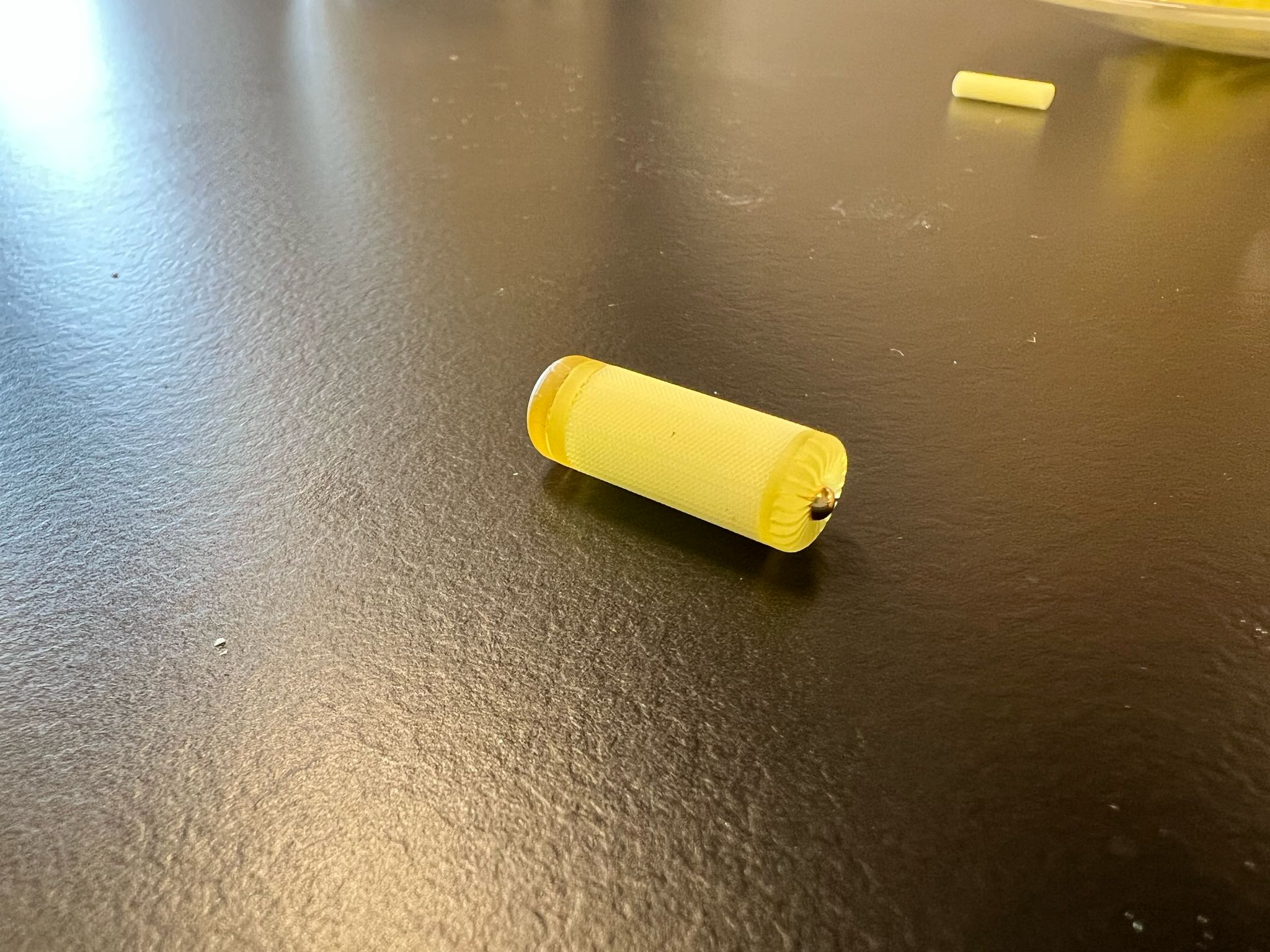
I translated an ingestible microbiome-sampling device from preclinical work in rats toward human studies. My work spanned device validation, gastrointestinal sampling, specimen processing, and downstream bioinformatics — connecting the physical device with the biological information it can reveal.
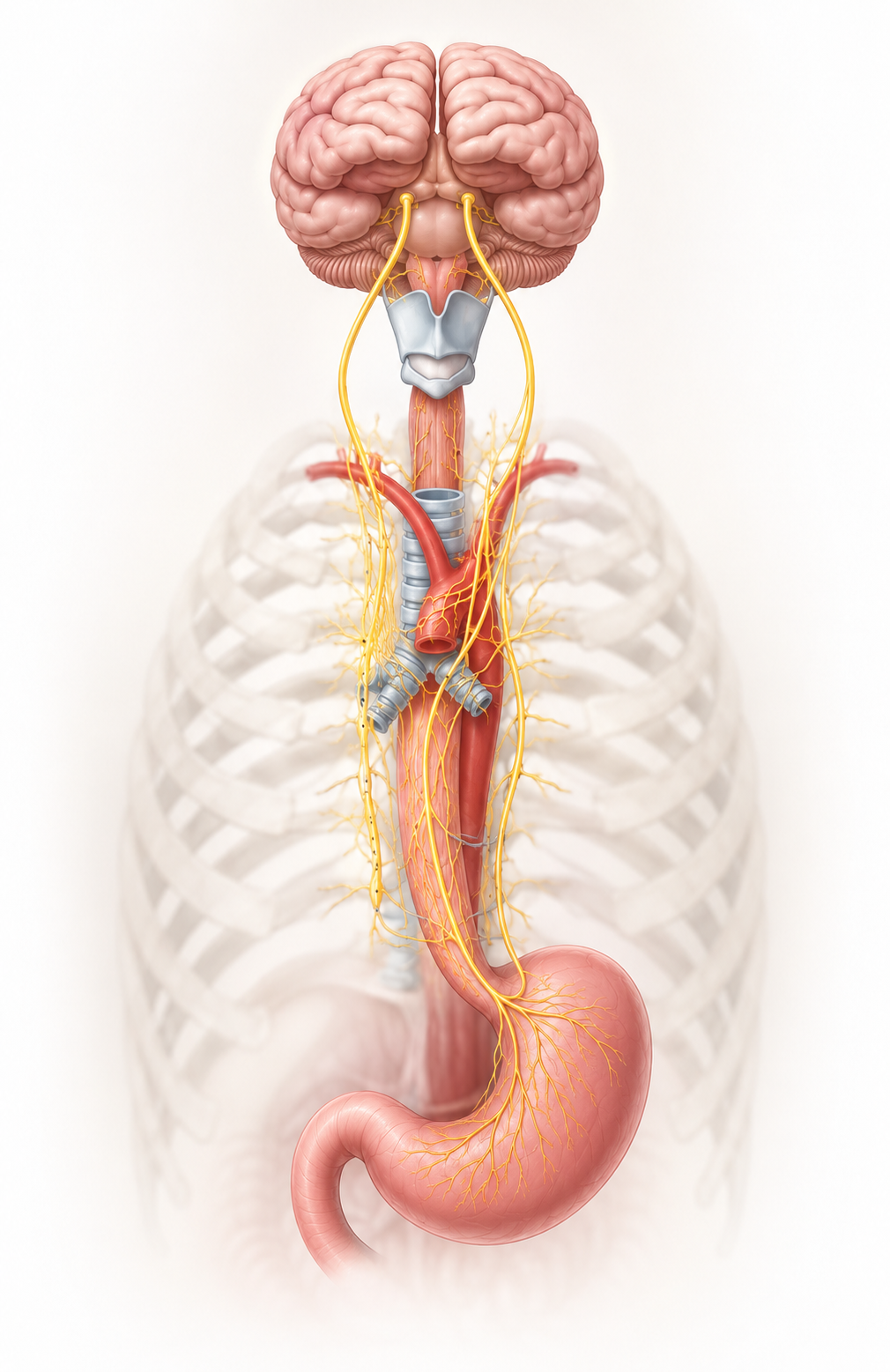
I designed experiments that vary gastric stimulation while recording vagal responses through TDT hardware. I established access to the abdominal vagus nerve and performed survival recording experiments to investigate how stomach activity is transmitted through vagal pathways.
As ingestible capsules become more common, retrieval remains a practical barrier. I conceived an add-on feature designed to remove the need for retrieval hardware and reduce user burden, with potential to lower costs and support at-home sample collection. Technical details remain confidential.
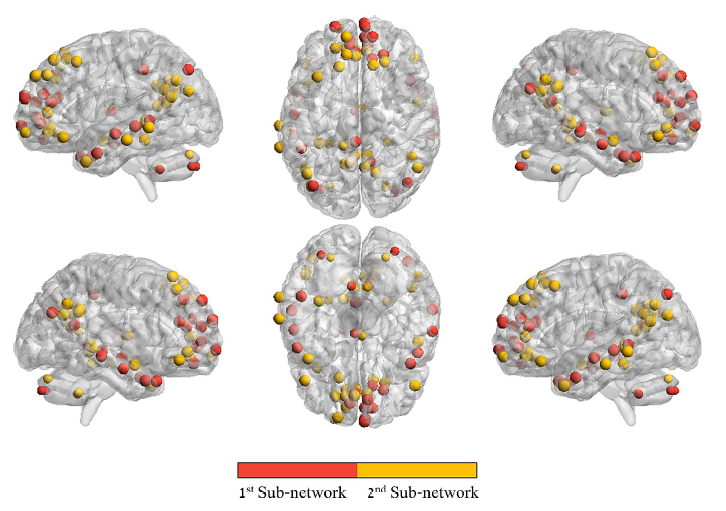
My doctoral research examined how methylphenidate affects choice impulsivity, brain connectivity, and behavior. Across structural and functional neuroimaging studies, I investigated how individual differences in neural architecture shape the response to the same intervention.
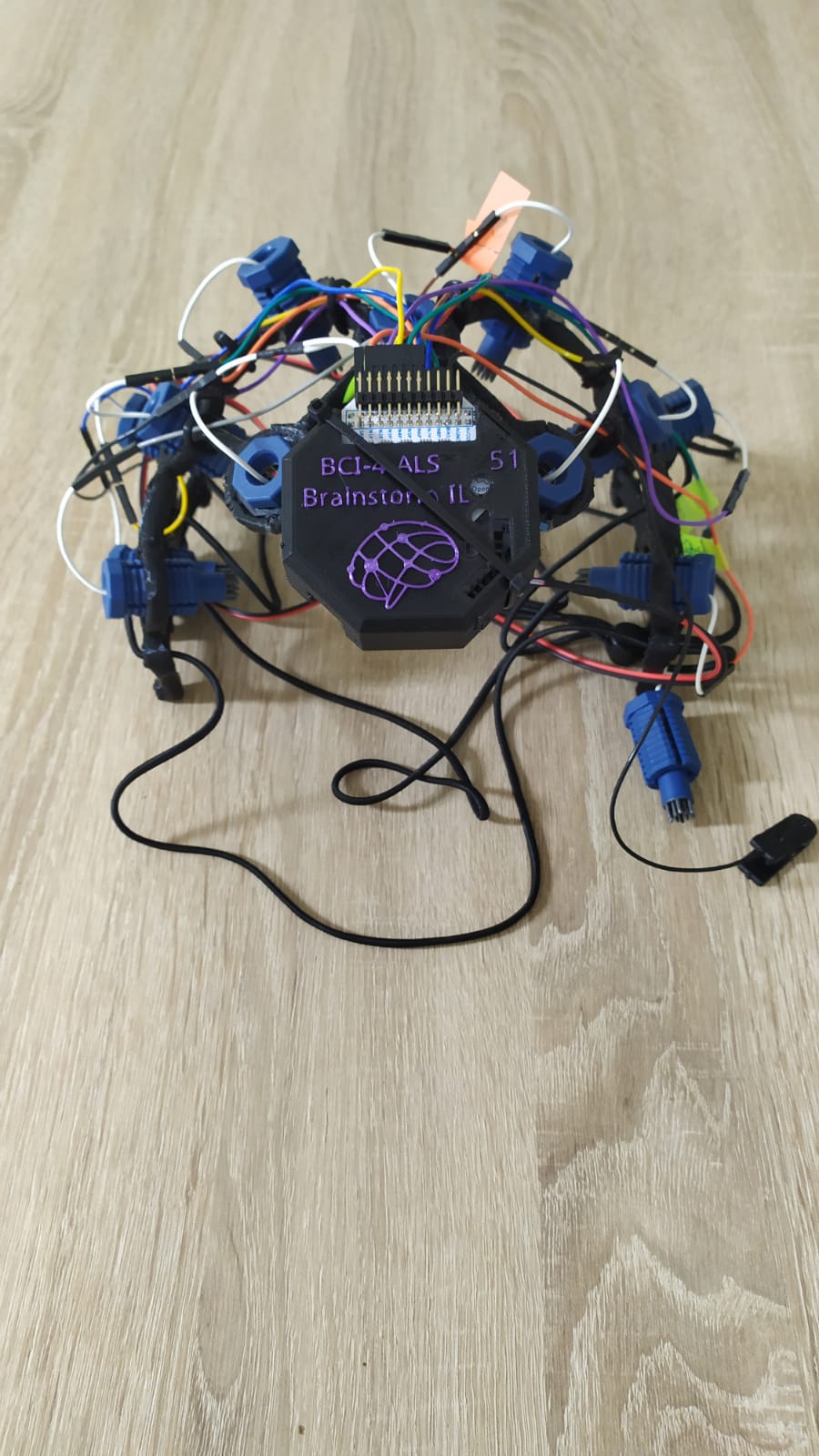
I was part of a team that developed a wearable EEG hat personalized for people with ALS, translating brain signals into a means of communication for patients facing locked-in syndrome. The project brought brain–computer interface technology into direct conversation with individual patients’ communication needs.
The gastric-stimulation preprint reports preclinical findings and has not yet been peer reviewed.
A selection of first-author and equal-contribution research, from human brain networks to gut–brain neuromodulation.
Find my work on Google Scholar ↗Research is collaborative. Full author lists and publication records are linked with every paper.
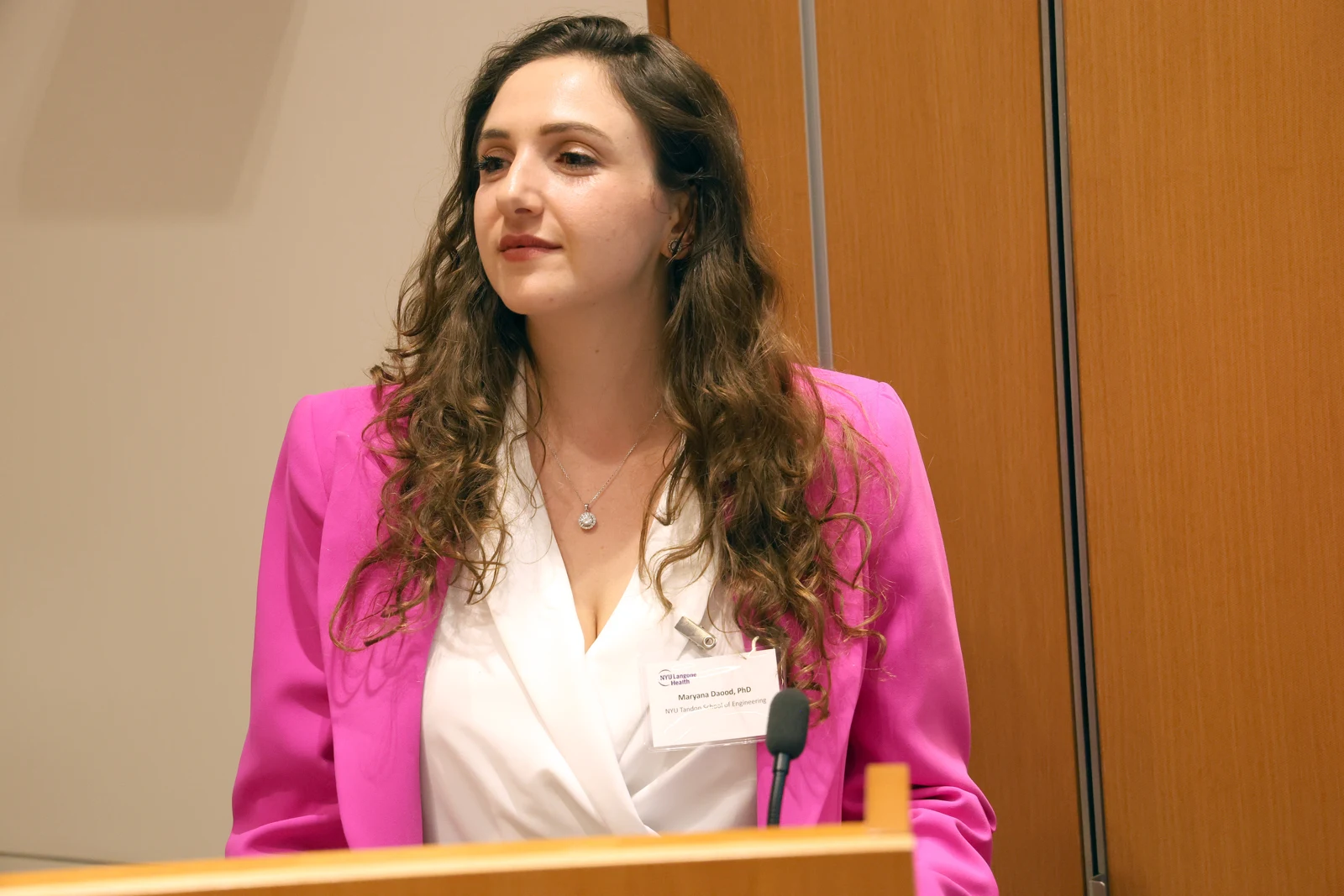 SCIENCE IS ALSO A CONVERSATION.
Four years of full-time lecturing in psychology at Sakhnin Academic College taught me to make learning both rigorous and human. Much of that work took place under wartime conditions: I adapted my teaching so students could keep learning through chronic stress, supported fellow faculty, and later developed resilience seminars for high school teachers.
My teaching starts with the student’s experience. I make concepts tangible through demonstrations, discussion, and discovery. Instead of only describing infant development, for example, I invite students to observe developmental milestones in everyday life, with families’ permission. Learning becomes memorable when students can see a concept unfold, ask their own questions, and enjoy finding the answer.
I led Brainstorm Haifa’s neurotechnology community, helped organize neurotech entrepreneurship programming, and advised early-stage startups — connecting scientific ideas with the people who can move them forward.
Brainstorm Haifa ↗I have presented research at international and national scientific meetings and in program sponsor reviews — connecting human neuroimaging, implantable gut devices, and the questions that make them matter. I enjoy making complex work clear enough to invite a meaningful conversation, whether the audience is scientists, clinicians, sponsors, or innovators.
From a surgical preparation to an analysis pipeline, the technical depth to follow a question across disciplines.
Rodent handling, abdominal surgery, gastric stimulator implantation, abdominal vagus nerve access, postoperative care, and behavioral assays.
fMRI and DTI pipelines in SPM8/12, CONN, MarsBaR, MRIcron, FSL, and FDT; multimodal integration and graph-theoretic connectivity.
Human studies from the ground up, clinician partnerships, protocol writing, IRB approval, and ethics-compliant design.
Bar license, legal analysis, neuroethics, and education policy clinic experience.
Implantable gastric and neural stimulation, ingestible capsules, EEG, TDT recording systems, BCI platforms, VHDL, and digital design.
Python, MATLAB, R, SPSS, STATISTICA, C, C++, C#, Bash, MIPS, and PDP-11 assembly. NVIDIA Deep Learning Institute certificate.
Cognitive and behavioral tasks in E-Prime, PsychoPy, and custom Python/MATLAB code.
University teaching, scientific talks, grant sponsor reviews, and investor pitches.
Networking competition awardWCUB Symposium · NYU Langone Health
Poster competition · Third placeIsrael Society of Biological Psychiatry · 25th Annual Conference
Presidential Excellence ScholarshipUniversity of Haifa · Awarded for four years
Most Valuable Participant · Makeathon ExtendTsofen · Award included participation in the Slush conference, Helsinki, Finland
Excellence ScholarshipCouncil for Higher Education · Planning and Budgeting Committee · Awarded for two years
2018 Research grant · University of Haifa · Awarded for three years
2016 Prof. Yochanan Hoffman Prize for an outstanding thesis · Bachelor’s excellence program
2016 Award for completion of the Economic Policy Seminar at the RANEPA Summer Campus · British Embassy, Moscow
CURIOSITY DOESN’T KEEP OFFICE HOURS.
Outside research, I’m drawn to climbing, surfing, and the outdoors. Languages open up another kind of landscape: I speak Arabic, English, Hebrew, and Spanish. Different environments, different perspectives — the same appetite for discovery.
08 / LET’S CONNECT
Research, neurotechnology, education, or an idea that sits somewhere in between. I’d be glad to hear from you.
mdawud01@gmail.com ↗